

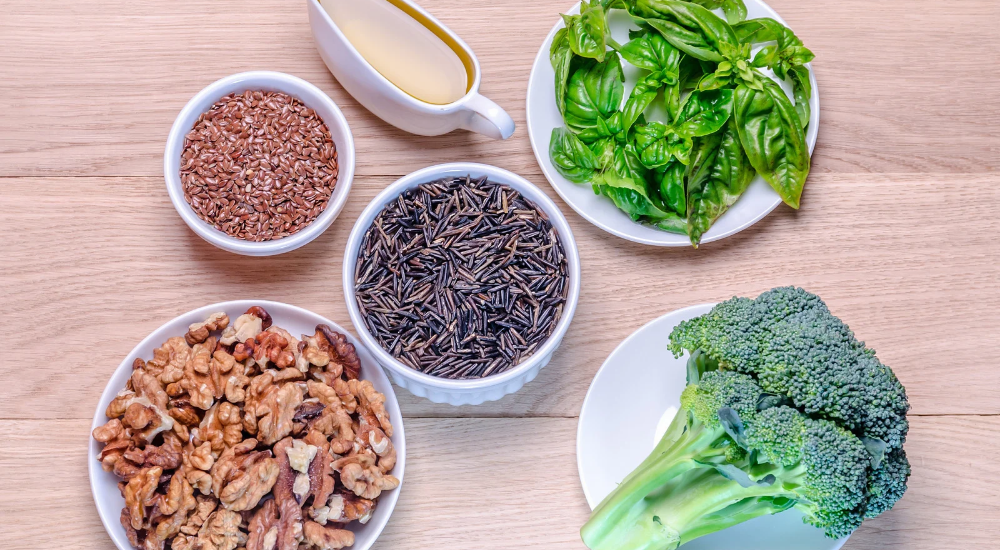
When we hear the words Omega-3, we often think of fish. But did you know that you can also get Omega-3 from many plant foods? For people who follow a vegetarian diet, there are plenty of simple foods that can help add Omega-3 to everyday meals. From tiny chia seeds to crunchy walnuts, these foods are easy to find and easy to add to your diet. Omega-3 is a type of healthy fat that our body needs. It plays an important role in everyday wellness and supports the normal function of the heart, brain and eyes.
So, what are the best vegetarian sources of Omega-3? Let’s look at 10 simple foods that you can add to your meals.
What Is Omega-3?

Omega-3 is a healthy fat that our body needs but cannot make in enough amounts on its own. There are three main types of Omega-3 that you may hear about:
- ALA (Alpha-Linolenic Acid) – mostly found in plant foods.
- EPA (Eicosapentaenoic Acid) – mainly found in fish and some algae.
- DHA (Docosahexaenoic Acid) – mainly found in fish and algae.
Most plant-based Omega-3 foods are rich in ALA. Our body can convert a small amount of ALA into EPA and DHA, but this conversion is limited. This is why choosing a mix of plant foods is a good idea for people following a vegetarian diet.
10 Best Omega-3 Rich Vegetarian Foods
1. Flaxseeds

Flaxseeds are one of the easiest foods to add to a vegetarian diet when you want more Omega-3. These tiny brown or golden seeds are rich in ALA. You can add ground flaxseeds to smoothies, oats, yoghurt, salads or even homemade rotis. It is better to use ground flaxseeds rather than eating them whole because they are easier for the body to digest.
You can also find flaxseed oil, which is a convenient plant-based source of ALA. GreenOpia’s Flaxseed Oil capsules contain ALA along with Omega-6 and Omega-9 fatty acids.
2. Chia Seeds

Chia seeds may be tiny, but they are packed with nutrients. They are one of the popular omega 3 fatty acid veg foods and are especially useful for people who want to add more plant-based Omega-3 to their meals.
Try adding one or two spoons of chia seeds to overnight oats, smoothies, yoghurt or a bowl of fruit. You can also soak them in water or milk to make a simple chia pudding.
3. Walnuts

Walnuts are another easy way to add plant-based Omega-3 to your diet. They contain ALA and are also a source of protein, fibre and other nutrients. Their slightly crunchy texture makes them an easy snack.
Keep a small handful of walnuts at home and add them to breakfast, salads or homemade energy bites. They are especially useful when you want a quick snack that does not need cooking.
4. Hemp Seeds

Hemp seeds are becoming more popular in healthy diets, and for good reason. They contain plant-based Omega-3 along with protein and other nutrients. Their mild, nutty taste makes them easy to use in many foods.
You can sprinkle hemp seeds over salads, soups, yoghurt or breakfast bowls. You can also blend them into smoothies. If you are looking for vegetarian sources of omega 3, hemp seeds are worth adding to your list.
5. Soybeans and Soy Foods

Soybeans are a useful food for vegetarians because they provide protein as well as ALA Omega-3. You can enjoy soybeans in several forms, including boiled soybeans, tofu, tempeh and other soy-based foods.
Tofu can be added to curries, stir-fries, wraps and salads. This makes it easy to include in regular Indian meals without making big changes to your diet. Soy foods can be a simple part of a balanced vegetarian diet.
6. Mustard Seeds and Mustard Oil

Mustard is a familiar ingredient in many Indian kitchens. Mustard seeds and mustard oil can contribute plant-based ALA to the diet. In many Indian homes, mustard oil is already used for cooking, making it a simple way to include Omega-3 as part of everyday meals.
However, like all cooking oils, mustard oil should be used in sensible amounts. If you are looking for omega 3 rich vegetarian foods in India, mustard is one of the familiar choices that can easily fit into traditional meals.
7. Pumpkin Seeds

Pumpkin seeds are often added to trail mixes and healthy snack bowls, but they can also be used in everyday meals. They provide healthy fats and other nutrients and can contribute to your overall intake of plant-based Omega-3.
Try sprinkling them over salads, soups, oats or yoghurt. You can also eat a small handful as a snack. They are easy to store, need no cooking and can make simple meals more interesting.
8. Sea Buckthorn

Sea buckthorn is a plant that produces small orange berries and is used in various wellness products. Its oil contains different fatty acids and is available in supplement form. GreenOpia offers sea buckthorn oil vegetarian capsules as part of its nutritional oil range.
While it may not be a food that you eat every day like flaxseeds or walnuts, it can be another plant-based option to explore as part of a balanced wellness routine. Always check the product label to understand its ingredients and recommended serving.
9. Algae

Here is something interesting: algae can provide DHA Omega-3 without coming from fish. DHA is an important type of Omega-3, but most plant foods contain ALA rather than DHA. Certain types of algae can naturally provide DHA, which is why algal oil is used in some vegetarian Omega-3 supplements.
This makes algae especially interesting for people looking for DHA rich food vegetarian options. GreenOpia offers a Vegetarian DHA Omega-3 made from algal oil. According to the product information, two capsules provide 400 mg of DHA from algal oil. For vegetarians who want a direct plant-based source of DHA, algal oil can be an option to discuss with a healthcare professional.
10. Soybean Oil

Soybean oil is another plant-based source of ALA Omega-3. It can be used in cooking and is already a common ingredient in many kitchens. Like other oils, it is calorie-dense, so it is best used as part of a balanced diet rather than in very large amounts. The goal is not to get all your Omega-3 from one food. Instead, include different nutritious foods throughout the week.
What Is the Best Source of Omega-3 for Vegetarians?
There is no single food that is the perfect answer for everyone. For ALA, foods such as flaxseeds, chia seeds and walnuts are among the easiest vegetarian choices. But if you specifically want DHA, the answer is different. Algae is a vegetarian source of DHA, which is why algal oil is commonly used in vegetarian Omega-3 supplements.
So, the best source of Omega-3 for vegetarians depends on the type of Omega-3 you are looking for. A simple diet can include ALA-rich foods such as flaxseeds, chia seeds and walnuts. If you do not eat fish and want a direct source of DHA, you can speak to your doctor or dietitian about an algae-based option.
How Can You Add More Omega-3 to Your Diet?
You do not need to completely change your meals. Small changes can make a difference.
Try these simple ideas:
- Add ground flaxseeds to your morning oats.
- Mix chia seeds into yoghurt or smoothies.
- Eat a few walnuts as a snack.
- Sprinkle hemp or pumpkin seeds over salads.
- Add tofu or soybeans to lunch or dinner.
- Use suitable cooking oils in sensible amounts.
- Consider an algae-based DHA supplement if recommended by your healthcare professional.
The key is consistency. Adding a little Omega-3-rich food to your meals regularly is easier than trying to make one big change.
Do Vegetarians Need Omega-3 Supplements?
Not everyone needs a supplement. A balanced diet can provide ALA from several plant foods. However, some people may find it difficult to get enough of a specific type of Omega-3, especially DHA, through their regular diet. This is where vegetarian omega 3 supplements may be considered.
Algal oil is one option because it provides DHA without using fish. GreenOpia’s vegetarian DHA product is made from algal oil and is designed as a plant-based alternative to conventional fish oil. Supplements should not replace a healthy diet. If you are pregnant, breastfeeding, taking medicines or have a health condition, it is always better to speak with your doctor before starting a new supplement.
Make Omega-3 Part of Your Everyday Diet
Getting Omega-3 does not have to be difficult, especially if you follow a vegetarian diet. Start with foods you already know. Add flaxseeds to breakfast, walnuts to your snack, chia seeds to your smoothie and tofu to your lunch. These small habits can make healthy eating feel simple and natural.
Remember, different foods provide different types and amounts of Omega-3. Plant foods are mainly sources of ALA, while algae can provide DHA. The best approach is to eat a varied, balanced diet and choose foods that work well for your lifestyle. Small seeds, simple meals and smart choices can all be part of a healthier everyday routine.
Explore Omega 3 Suppliments Online!


