

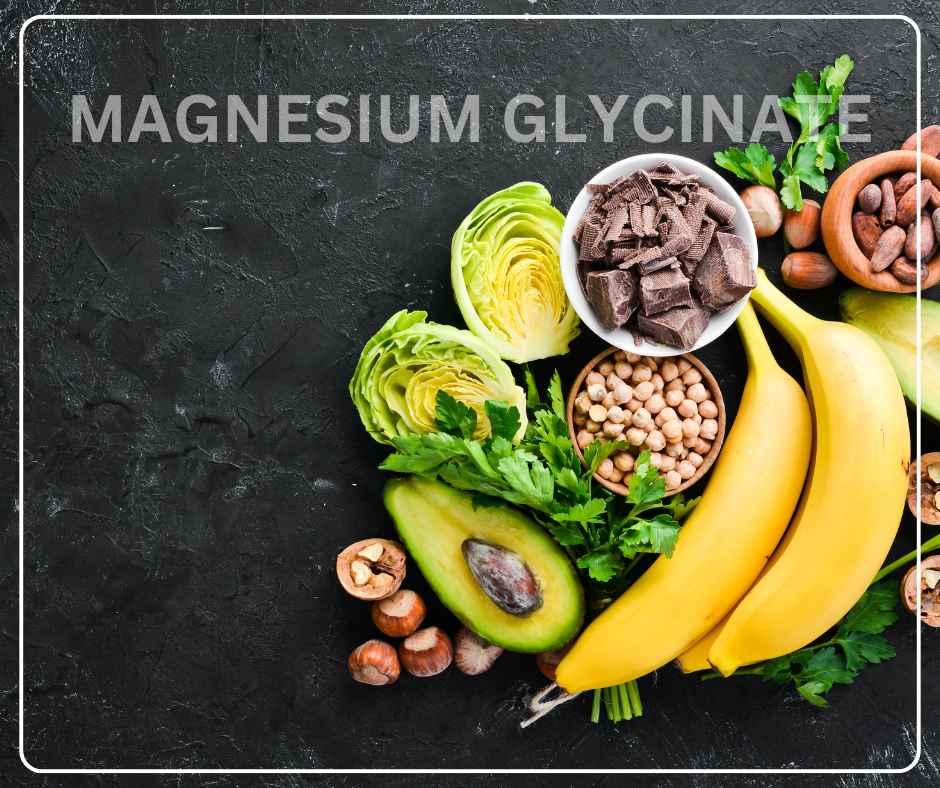
Magnesium glycinate is a supplemental form in which magnesium is combined with the amino acid glycine. Magnesium is an essential mineral involved in normal muscle and nerve function, energy production and bone structure. Suitability depends on the elemental magnesium quantity, complete formulation, diet, medicines and individual nutritional requirements.
Magnesium Glycinate at a Glance
| Information | Details |
|---|---|
| Ingredient category | Essential mineral supplement |
| Parent ingredient | Magnesium |
| Form | Magnesium combined with glycine |
| Common product formats | Capsules, tablets and powders |
| Food source | Magnesium occurs naturally in nuts, seeds, pulses, whole grains and green leafy vegetables |
| Dietary status | Depends on the capsule shell and complete formulation |
| GreenOpia format | Vegetarian capsules combined with zinc |
| Important label check | Elemental magnesium per serving |
| Evidence status | Magnesium has established nutritional functions; product-specific claims require separate substantiation |
| Safety reminder | Supplemental magnesium may interact with certain medicines and may be unsuitable in some medical circumstances |
What Is Magnesium?
Magnesium is an essential mineral naturally present in foods and used by the body in many biochemical processes. It is involved in normal muscle and nerve activity, protein synthesis, energy production and the structural development of bone.
A person’s magnesium intake can come from foods, fortified foods, supplements and certain medicines.
What Is Magnesium Glycinate?
Magnesium glycinate is made by combining magnesium with glycine, an amino acid.
The total weight of magnesium glycinate is not the same as the quantity of elemental magnesium it provides. For this reason, customers should check the Supplement Facts or nutritional-information panel for the amount of elemental magnesium per stated serving.
The terms “magnesium glycinate” and “magnesium bisglycinate” are sometimes used in product descriptions. The exact raw-material identity and composition should be confirmed from the supplier specification and final product label.
What Role Does Magnesium Play?
Magnesium is involved in:
- Normal muscle and nerve function
- Energy-producing processes
- Protein synthesis
- Bone structure
- Movement of calcium and potassium across cell membranes
- Formation of DNA and RNA
These are general nutritional functions of magnesium. They should not be converted into claims that a magnesium supplement treats insomnia, anxiety, muscle disease, heart disease or another medical condition.
Which Foods Contain Magnesium?
Food sources of magnesium include:
- Nuts
- Seeds
- Pulses and beans
- Whole grains
- Green leafy vegetables
- Selected dairy products
- Other foods forming part of a varied diet
A supplement should not be presented as a substitute for a balanced diet. Where a nutrient deficiency is suspected, appropriate clinical assessment may be more useful than selecting a supplement solely from symptoms.
Magnesium Glycinate Compared with Other Forms
| Form | General description | Practical point |
| Magnesium glycinate | Magnesium combined with glycine | Check elemental magnesium and complete formulation |
| Magnesium citrate | Magnesium combined with citric acid | Commonly used in supplements; individual tolerance can vary |
| Magnesium oxide | An inorganic magnesium compound | Contains a relatively high proportion of magnesium by weight, but compound weight does not show absorbed quantity |
| Magnesium chloride | Magnesium combined with chloride | Used in certain oral and topical products |
| Magnesium lactate | Magnesium combined with lactic acid | Available in some oral formulations |
No single magnesium form should be described as universally best. Selection depends on the product composition, elemental amount, intended use, personal tolerance and professional advice where necessary.
How to Read a Magnesium Supplement Label
Before selecting a product, check:
- Elemental magnesium: Look for the actual amount of magnesium provided per serving.
- Serving size: Confirm whether one serving means one capsule, two capsules or another quantity.
- Magnesium form: Identify whether the product contains glycinate, citrate, oxide or another form.
- Combined ingredients: Check for zinc, vitamin D, herbal ingredients or additional minerals.
- Capsule composition: Verify whether the capsule is vegetarian or non-vegetarian.
- Allergen information: Review the complete ingredient and allergen declaration.
- Directions and warnings: Follow the instructions printed on the approved product label.
- Batch and expiry details: Check these before use.
- FSSAI licence information: Treat the licence number as regulatory information, not as an endorsement of product efficacy.
GreenOpia Product Containing Magnesium Glycinate
GreenOpia Magnesium Glycinate & Zinc
- Format: Vegetarian capsules
- Primary mineral form: Magnesium glycinate
- Additional mineral: Zinc; the exact zinc form should follow the approved product label
- Quantity: Populate the elemental magnesium and zinc quantities only from the final approved label
- Suggested use: Follow the directions printed on the product pack
- Product category: Vitamins and minerals
The product description should avoid stating or implying that the formulation treats insomnia, anxiety, cramps, immune disorders or any other medical condition.
Who Should Review Suitability Carefully?
Additional care may be appropriate for:
- People with impaired kidney function
- People using several mineral supplements
- People taking certain antibiotics
- People taking medicines for osteoporosis
- People using diuretics or long-term acid-suppressing medicines
- Pregnant or breastfeeding individuals
- Children and adolescents
- People experiencing unexplained or persistent symptoms
The reason for professional guidance should be explained rather than relying only on a generic “consult your doctor” statement.
Possible Effects of Excess Supplemental Magnesium
Supplemental magnesium may cause digestive effects such as diarrhoea, nausea or abdominal discomfort in some individuals. Very high intakes can cause more serious effects, with risk potentially increasing where kidney function is impaired.
The product should be used only according to its label directions.
Medicine Interactions
Magnesium can interact with the absorption or use of some medicines. Relevant examples can include:
- Certain antibiotics
- Certain medicines used for bone health
- Diuretics
- Long-term proton-pump inhibitor therapy
Spacing, monitoring or professional advice may be necessary depending on the medicine.
Do not discontinue or alter prescribed medication because of information on an ingredient page.
Magnesium Glycinate and Zinc
Magnesium and zinc may appear together in mineral formulations. The presence of both minerals does not establish that every person requires both or that a higher quantity is preferable.
Check:
- Elemental magnesium per serving
- Elemental zinc per serving
- Zinc form
- Other products supplying either mineral
- Total daily intake from supplements and food
Frequently Asked Questions
Is magnesium glycinate the same as elemental magnesium?
No. Magnesium glycinate is the complete compound. Elemental magnesium refers to the amount of magnesium supplied by that compound. The elemental quantity is the more useful figure when comparing supplement labels.
Is magnesium glycinate found naturally in food?
Magnesium occurs naturally in foods, but magnesium glycinate is a manufactured supplemental form. Foods provide magnesium within their natural food matrix rather than as magnesium glycinate.
Is magnesium glycinate vegetarian?
The ingredient may be suitable for vegetarian formulations, but the status of the finished product depends on the capsule shell, processing aids and all other ingredients. Check the product label.
Can magnesium glycinate be taken with food?
Follow the directions on the specific product label. Food may affect individual tolerance, and instructions can vary between formulations.
Is magnesium glycinate better than magnesium citrate?
Neither form is universally better. They differ in chemical form and may differ in use and tolerance. The elemental quantity, complete product, personal needs and label directions should guide selection.
Can magnesium glycinate be used for sleep?
Magnesium products are often marketed in relation to relaxation or sleep routines. However, an ingredient page should not imply that magnesium glycinate treats insomnia or another sleep disorder. Persistent sleep difficulty warrants appropriate assessment.
Can magnesium and zinc be taken together?
They are available together in some formulations. Before combining products, check for duplicated minerals and compare the total amounts supplied by all supplements.
Who should be cautious with magnesium supplements?
People with kidney conditions, people using interacting medicines, pregnant or breastfeeding individuals, children and people combining several supplements should seek appropriate guidance before use.
Related Ingredient Guides
- Magnesium
- Zinc
- Vitamin D3
- Vitamin K2
- Iron
- Calcium
Related GreenOpia Collections
- Vitamins & Minerals
- Magnesium Supplements
- Bone, Joint & Muscle Support
- Sleep & Stress Support
Collection placement does not constitute a disease-treatment or guaranteed-outcome claim.
Educational Disclaimer
This content is provided for general educational purposes and is not a substitute for personalised medical or nutritional advice. Product suitability may vary according to age, diet, health status, medicines and individual nutritional needs. Follow the directions on the product label and seek advice from a qualified healthcare professional where appropriate.


